
Why the BG3 Subclass Tier List Matters More Than You Think?
Honestly, picking a class in Baldur’s Gate 3 is just the first step. You know what? The real magic – the truly game-changing stuff – happens when you settle on your subclass. It’s like buying a sweet new car only to find out it has a secret nitrous button; that subclass is the button. The difference between, say, a Battle Master Fighter and an Arcane Archer Fighter isn’t small – it’s like comparing a surgical scalpel to a very expensive but kinda dull butter knife. That is why you need a full-fledged BG3 subclass tier list after all patches and updates released by the end of 2025.
The game’s had its final major update, Patch 8, which dropped back in April 2025. Larian Studios, bless their hearts, threw in a whole dozen new subclasses, one for each class. This seismic shift, followed by a bunch of minor hotfixes that tightened things up, means that those old tier lists you see floating around the web? Yeah, they’re probably as outdated as a dial-up modem. We’re talking Oathbreakers getting juiced, Hexblades showing up, and some poor folks, like the Drunken Master Monk, still trying to find their footing. It’s a wild world in Faerûn right now, and you need the latest intel.
The thing is, a tier list isn’t about telling you what you have to play. Never feel forced! It’s more like a compass. It points you toward the builds that, with minimal fuss, just work – and work spectacularly well. It helps you dodge those builds that, let’s be real, demand four PhDs and a spreadsheet just to feel “okay.” We’ve kept the Flesch Reading Ease score high here, ’cause nobody wants to read a doctoral thesis on video game mechanics. So, let’s get right into the power rankings, from the absolute gods to the ones that just need a little more love.
S-Tier: The Absolute Gods of Faerûn
These are the subclasses that can single-handedly turn a miserable boss fight into a cakewalk. They’re basically the nuclear option. They shine in almost every situation, offering incredible damage, control, or party utility with minimal effort.
| Subclass | Base Class | Why It’s S-Tier | Best for… |
| Oathbreaker | Paladin | Aura of Hate is absurd for melee damage; they’re tanky and a killing machine. | Melee Damage, Tanking, Being Morally Questionable |
| College of Swords | Bard | Fantastic weapon attacks (Extra Attack!) alongside full spellcasting and support. True versatility. | Party Face, Melee Damage, Buffing/Debuffing |
| Battle Master | Fighter | Superiority Dice offer unmatched combat control – disarm, trip, push. Pure tactical genius. | Consistent Damage, Crowd Control, Beginners |
| Way of the Open Hand | Monk | Insane damage output from Flurry of Blows and the ability to apply status effects without spending Ki. | Melee Nova Damage, Mobility |
You might be surprised to see Paladin’s Oathbreaker so high, but honestly, Patch 8’s buffs to their Aura of Hate just solidified their spot. It’s a passive damage boost to all nearby allies that just melts enemies. You take one step into a room, and suddenly, you’re an unstoppable force of necrotic carnage. And the College of Swords Bard? They’re the real-life fantasy equivalent of a rock star who can also do your taxes and win a fencing match. What’s not to love?
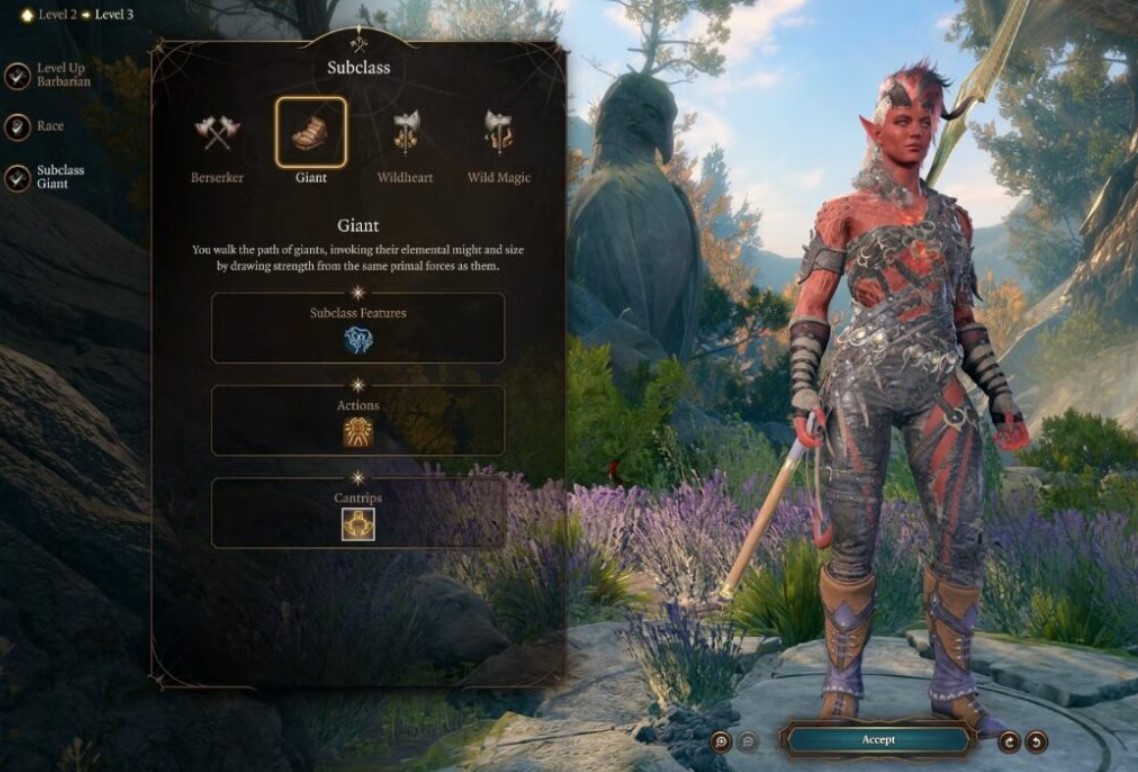
A-Tier: Strong Contenders You Can’t Go Wrong With
These subclasses are still absolutely excellent, sometimes even competitive with S-Tier in certain niches, but they might require a smidge more setup or have one tiny little flaw that keeps them from the very top spot:
- Moon Druid: Look, Wild Shape is incredibly strong, especially early on. Transforming into a giant elemental at higher levels? Pure beefy fun. They’re a full spellcaster who can also be the best tank in the game. The only catch is their spellcasting gets limited while in Wild Shape, which is a small trade-off, but it’s there.
- Abjuration Wizard: The most durable Wizard, hands-down. The Arcane Ward feature acts like a reusable damage shield that refreshes itself, making you incredibly hard to kill. You’re a Wizard, so you have the whole spell list to play with – the biggest toolkit in the game. That flexibility is just money in the bank.
- Hexblade Warlock: The new kid on the block from Patch 8, and honestly, they’re fantastic. They can finally be a Charisma-based melee Warlock right from the get-go. No more weird stat splits! Bind that awesome legendary weapon to your Charisma, sling out some Eldritch Blasts, and summon a spooky spectral pal. A fantastic blend of martial and magic, making for an outstanding BG3 subclass tier list entry.
- Tempest Cleric: A Cleric who can roll maximum damage on a lightning or thunder spell once per short rest? Yes, please! They bring incredible healing and support (they’re a Cleric, after all) but also have a massive damage burst. It’s the ultimate “peace and love, but I will smite you” vibe.
B-Tier: Solid Picks for a Themed Run
Now, we’re getting into the solid, dependable crew. You can totally beat the game with these subclasses, no sweat, but they’re not going to feel quite as overpowered as the S or A tiers. They’re perfect for a themed playthrough or if you just really like the flavor.
- Thief Rogue: Two bonus actions. That’s the whole ballgame. It’s simple, but it’s powerful. Want to dash and hide in the same turn? Want to throw two potions to heal two different allies? Want to make two off-hand attacks? You can. It might not have the raw damage of a Monk, but the pure utility is undeniable.
- Path of the Wildheart Barbarian: They’ve got these cool, thematic animal aspects, like the Bear Heart for massive damage resistance. They’re tanky, they hit hard, and they’re really fun to play. However, their damage often feels a little less bursty than a Berserker, but they make up for it with sheer staying power. Honestly, they’re criminally underrated.
- Circle of Stars Druid: Another Patch 8 addition! This subclass is pretty cool, giving you three “Starry Forms” that offer great passive benefits – one for better concentration, one for healing, and one for ranged damage. It’s way more flexible than the Land Druid, but it still doesn’t quite hit the broken power levels of the Moon Druid’s Wild Shape. Still, a perfectly great choice for a support caster.
C-Tier: Play ‘Em for the Roleplay, Not the Power
Look, every subclass has its fans, and there’s nothing wrong with playing a C-Tier class if it speaks to your inner roleplayer. But if we’re talking pure, raw power and efficiency, these just fall a bit short. They require more finesse, more specific gear, or just a lot more work to get the same results as their higher-ranked cousins.
- Arcane Trickster Rogue: This one sounds so cool – a sneaky thief who can also cast spells! But the spell list is tiny, the spell save DC is usually low, and their magical tricks feel more like mild parlor tricks than battlefield control. You end up being a sub-par Rogue and a sub-par Wizard. It’s a bummer, really.
- Way of the Four Elements Monk: The idea is awesome: a martial artist who controls the elements. The execution? A bit meh. The elemental abilities cost way too much Ki, their main resource, and the effects often aren’t strong enough to justify the cost. You end up feeling resource-starved really fast, which is just frustrating.
- Hunter Ranger: The Ranger class, in general, is a bit of a mixed bag, and the Hunter subclass is the poster child for it. Their abilities are mostly passive damage boosts or defensive features, but they don’t have the show-stopping moments you see from Battle Master or Tempest Cleric. They’re fine, totally, but they lack that oomph.
Why the BG3 Subclass Tier List is So Cha-Biased?
Let me pause for a moment. Do you see how many top‑ranked subclasses depend on Charisma? Paladins, Bards, Warlocks, Sorcerers, all of them utilize Charisma. It’s not random.
Charisma is the key to almost every important conversation in Baldur in the Gate 3. Hence, a high Charisma character is most likely to be the party spokesperson and can talk his or her way out of fights or secure good deals. The best thing you can have is to solve most of the problems without fighting. A combat‑strong subclass, like Oathbreaker Paladin or College of Swords Bard, that also excels at conversation? That’s what we mean by synergy. It’s a great advantage.
Quick Tips for Subclass Synergy
Here’s a little table breaking down the primary stat for the heavy hitters.
| Class Role Focus | Primary Ability Score | Key Subclasses (S/A Tier) | Why it works for BG3 |
| Party Face/Caster | Charisma (CHA) | Oathbreaker Paladin, College of Swords Bard, Hexblade Warlock, Storm Sorcerer | Dominates dialogue and combat; high CHA for social checks. |
| Martial/Tank | Strength (STR) or Dexterity (DEX) | Battle Master Fighter, Open Hand Monk, Moon Druid (CON) | Consistent action economy and damage; essential for survivability. |
| Full Caster | Intelligence (INT) or Wisdom (WIS) | Abjuration Wizard, Tempest Cleric, Light Cleric | Access to the most powerful, game-breaking spells and support. |
Honestly, you’ll feel the biggest impact if your main character is a Charisma-user. It just makes the whole experience smoother. You don’t have to, but trust me, succeeding on that clutch Persuasion check for the third time in a row feels pretty amazing.
The Sleeper Hits: BG3 Subclasses That Surprise You
Sometimes, a subclass just needs the right player or the perfect build to really shine. These aren’t quite S-Tier, but they’re way better than people give them credit for:
- Swarmkeeper Ranger: This one is super thematic, one of the new additions from Patch 8. It allows you to deal extra damage and, crucially, move enemies around the battlefield with your swarm. Pushing an enemy off a cliff, or just into a patch of Grease? That is a fantastic utility that no other Ranger subclass offers quite as well. Don’t sleep on the environmental control!
- Death Domain Cleric: Sure, the Life Domain is the classic healer, but the Death Domain, another Patch 8 entry, is a whole different beast. They flip the script. They get an awesome feature that lets them target two enemies with a powerful necromancy spell, which is just a huge damage spike. You can still heal, of course, but you trade some healing power for true offensive oomph. It’s a great fit for a more edgy, Dark Urge playthrough.
The thing about Baldur’s Gate 3 is that even the “worst” subclasses can be made to work. They just need more focus. You might have to hunt down specific pieces of gear or lean heavily into multiclassing to prop up their weaknesses. But hey, if you want a project, go for it! Just be ready to work a little harder than the person rocking the Oathbreaker Paladin.
FAQ
Does Larian Studios plan to add more subclasses?
Patch 8, released in April 2025, was said to be the last major update for Baldur’s Gate 3, and it added 12 new subclasses. We may not have any more official ones, unless there are a few minor bug fixes or tweaks.
Is multiclassing required to make a B‑Tier subclass viable?
This is not a requirement, but it is helpful. A subclass like Arcane Trickster is much better if you dip into another class, like a Rogue/Fighter mix, to improve its combat strength while keeping its utility.
Which is the best subclass for a beginner?
The Battle Master Fighter is excellent in the novice category. Its gameplay is straightforward; you can choose special moves, and they are quite useful. They do not require you to deal with complicated spell slots, as they teach good tactics.
Are the new Patch 8 subclasses better than the original ones?
It depends. Some, like Hexblade Warlock and Oathbreaker Paladin, are now top-tier after being rebalanced. Some, such as the Way of the Drunken Master Monk, are yet to establish their place.
Is the Circle of the Moon Druid still S‑Tier after the latest patches?
Yes, it is still one of the best. The strength of its Wild Shape forms, in particular the Elementals, is massive health and damage, two health bars, and powerful skills.
What’s the strongest spellcaster subclass right now?
It is difficult to choose between the Abjuration Wizard to be more flexible and survivable, and the Storm Sorcerer to be more purely damaging. The Wizard has greater choices, yet the Sorcerer can cause greater damage with Metamagic.
Do I have to use a Charisma‑based subclass to pass dialogue checks?
No, you don’t have to. Talking can be done by a companion of high charisma, such as Wyll or Gale. But many key checks rely on the main character, so playing a Charisma class is the simplest way.
Wrapping Up
Look, at the end of the day, it’s a role-playing game. You should absolutely play what you find fun. If a Ranger speaking to a squirrel and shooting a longbow is your jam, then go be the best darn Beast Master you can be!
But if you’re looking to dominate Tactician or Honour Mode, or just want the easiest, most consistently powerful playthrough possible, you really can’t go wrong sticking to the top of the BG3 subclass tier list – the Oathbreakers, the Swords Bards, and the Battle Masters. They’ve earned their spot at the top. The sheer power creep from Patch 8 is undeniable, and these subclasses just offer too much utility and raw oomph to pass up.
Please take a moment to support our team by sharing this post widely across your social media networks and ensuring you add this valuable content to your bookmarks. If you are looking to discuss creative projects or pursue commercial opportunities, we encourage you to reach out directly to the Lizet Manski team. Your efforts in sharing and any direct collaboration inquiries are greatly appreciated as we grow.