
The Sinking City 2 Tips for Surviving the Drowned Streets
Picture wading through a flooded 1920s Arkham intersection, water up to your knees, when a low, wet growl echoes from the fog ahead. You’ve got half a clip, one syringe, and a shovel that’s seen better days. Do you fight, sneak, or turn and run? In The Sinking City 2, that split-second decision is the difference between survival and a grim game over. This is survival horror at its most tense and resource-lean.
Here’s the thing though – a lot of players walk into Arkham expecting the detective-heavy open world of the first game, only to get mauled by the sequel’s brutal, ammo-scarce combat. Frogwares completely rebuilt what this series is, pivoting hard toward tense, Resident-Evil-style survival horror. Approach it with the wrong mindset and the opening hours will chew you up. Approach it smart, and it’s a thrilling, atmospheric masterclass in dread.
So let me walk you through the essential The Sinking City 2 tips – how to manage your scarce resources, exploit enemy weak points, use stealth and sound discipline, build your character, and conquer flooded Arkham. Whether you’re a survival horror veteran or a nervous newcomer, these tips will keep you alive. Grab your flashlight. Let’s descend.
Understand What The Sinking City 2 Actually Is
Before any tactical tips, you need the right mindset, because this game is a major departure from its predecessor. Understanding that shift is the foundation of survival.
The Sinking City 2 is a third-person survival horror set in a flooded 1920s Arkham, developed by Frogwares. Where the 2019 original was a detective story wearing a horror coat – heavy on interviewing witnesses and cross-referencing clues – the sequel flips the weight entirely. Investigation still exists, but combat and atmosphere now drive the minute-to-minute experience, pulling it toward modern Resident Evil territory with an over-the-shoulder camera. The community aptly calls it “H. P. Lovecraft’s Resident Evil.”
Here’s what defines the sequel’s design:
- Survival horror focus – deliberate, tense, and resource-lean gameplay over open-world sprawl.
- Semi-open world – you explore a large flooded Arkham on foot and by skiff, but with tighter, level-based pacing.
- Scarce resources – every bullet, medkit, and safe path genuinely matters.
- New protagonist – you play Calvin Rafferty, an occult adventurer whose ritual went wrong.
- Standalone story – you don’t need to have played the first game to jump in.
That resource-lean philosophy is the crux of everything. As the game’s own description puts it, pressure builds as you push deeper, relief comes in brief refuge, and fear is something you manage. Internalize that. You’re not a trained soldier mowing down monsters – you’re a desperate, under-equipped survivor. Play cautiously, respect your scarcity, and you’ll thrive. Play recklessly, and Arkham will swallow you whole.
Essential The Sinking City 2 Tips for Combat
Let’s tackle combat, because it’s where new players die most. The sequel’s combat is deliberately clunky in the classic survival horror way, and mastering it means working smarter, not harder. Here are the core combat tips.
The single most important rule: aim for the weak points. Enemies are bullet sponges if you body-shot them – a lumbering horror can eat half your clip if you’re spraying its torso. But bigger enemies show visible glowing weak spots, the same design language as Resident Evil 4’s regenerators. A clean hit on the glowing bit ends fights fast and saves precious ammo. Always focus your aim and target those spots.
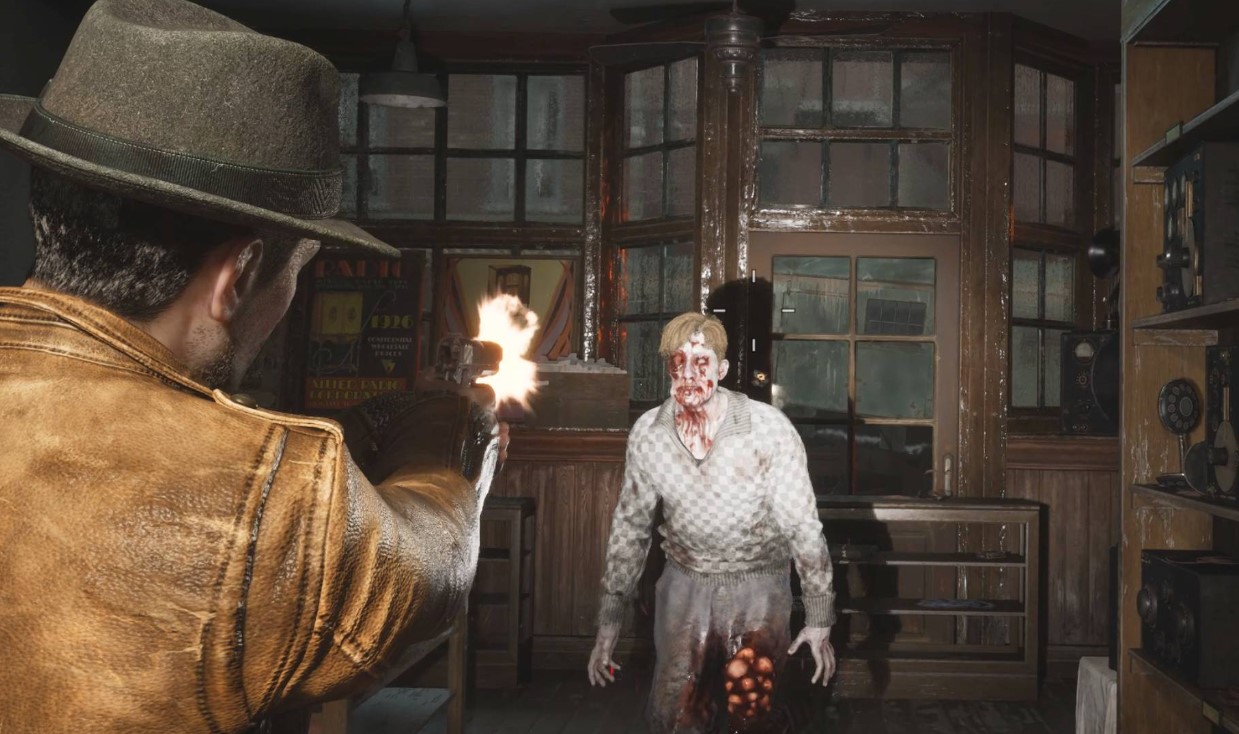
Here are the key combat tips to master:
- Shoot weak points with focused Aim – glowing spots deal massive damage and conserve ammo.
- Knock enemies down, then finish them – stomp grounded foes with Ctrl to save bullets entirely.
- Use melee on small enemies – a shovel can stun-lock smaller critters, saving ammo for big threats.
- Manage recoil – weapons have real weight and recoil patterns that require practice.
- Confirm the kill – if you gain XP for an enemy, it’s dead; don’t waste extra shots.
That melee tip is genuinely valuable. Community members report that melee upgrades help enormously because the shovel stun-locks smaller enemies, including the spitting humanoid ones, letting you dispatch them without spending a single bullet. Save your firearms for the big, dangerous creatures and lean on melee for the small fry. It’s a resource-saving lifeline.
And here’s the most important survival wisdom of all: you don’t have to fight everything. Many encounters can be avoided entirely. If you’re low on health or resources, retreat or simply run past enemies that aren’t worth engaging. Focus on your main goal, and come back later when you’re better equipped. Not every monster needs to die – sometimes the smartest play is to slip past and keep your bullets for the fights you can’t avoid.
Master Sound Discipline and Stealth
Here’s a mechanic that separates survivors from casualties, and it’s one many players overlook. Sound discipline is arguably the most important skill in the entire game. Let me explain why it matters so much.
Enemies in The Sinking City 2 react to noise, and here’s the kicker: walking through the flooded streets creates splashes that attract attention. Since Arkham is literally underwater in places, your every step can betray you. You’ll need to learn when to sprint and when to creep, because the difference between a clean, quiet exploration and a desperate firefight often comes down to how much noise you make.
The stealth systems are robust enough to fundamentally change how you play:
- Move slowly through water – splashing draws enemies, so creep through flooded areas.
- Learn enemy audio cues – every enemy type has distinct sounds telegraphing its presence.
- Avoid unnecessary combat – stealth lets you skip most encounters, preserving resources.
- Sprint only when safe – running is loud, so save it for when you’ve already been spotted.
- Use the environment – position and pathing let you slip past threats entirely.
That resource-saving payoff is huge and quantified. According to community testing, a full stealth run of the demo’s second level saved players an average of 12 bullets and 3 medkits compared to a combat-focused approach. That’s a massive difference in a game where every bullet counts. Learning to move quietly and avoid fights isn’t just cautious play – it’s the single most efficient way to survive Arkham.
So train your ears early. Learn what each enemy sounds like before you see it, creep through water, and treat noise as a resource as precious as ammo. Silent survivors last far longer than loud ones.
Manage Your Resources and Inventory
Resource management is the beating heart of survival horror, and The Sinking City 2 is ruthless about it. Getting this right is what keeps you alive through the long haul. Here’s how to handle your scarce supplies wisely.
The community’s top piece of advice, drawn from the r/TheSinkingCity subreddit’s demo testing, is to prioritize inventory space over immediate gains. Your inventory grid is limited, and you’ll constantly face the choice between grabbing a valuable resource or leaving it behind. A solid rule of thumb: always carry at least two medical syringes and one melee repair kit, because running out of either mid-encounter is often fatal.
Here are the key resource tips:
- Always scavenge ammo – search every area thoroughly since enemies take multiple shots to kill.
- Loot infested areas carefully – these zones hold lots of resources, but creatures spawn, so grab loot fast and retreat.
- Save after collecting supplies – bank your progress right after looting caches so you don’t lose the haul.
- Expand your inventory – find the Inventory upgrade inside the E.R.C. to carry more.
- Keep emergency medkits – never let your syringe count hit zero.
That infested-area tip is a genuine community gem. These zones are risky but resource-rich – you can often hop in, sprint to the nearest one or two loot bins, grab the supplies, and retreat before the creatures fully spawn. It’s a high-risk, high-reward scavenging tactic that keeps you stocked. Just be ready to bolt if things get hairy.
And don’t forget to save strategically. Experienced players recommend saving right after collecting ammo and resources from caches, so a sudden death doesn’t cost you your hard-won supplies. In a resource-lean game like this, protecting your progress is as important as gathering the resources themselves.
Build Your Character With Talents and Dream Essence
The Sinking City 2 has a genuine progression system, and understanding it lets you tailor your survivor to your playstyle. Investing wisely makes the whole game more manageable. Here’s how it works.
The game features a skill system built around Talents and Dream Essence. You earn these primarily by finding clues scattered across levels, then correctly connecting related clues in the Investigation Space (the sequel’s version of the Mind Palace). Completing optional investigations also rewards Dream Essence. You then unlock and equip Talents at the Talent Table in Safe Rooms, which becomes available starting from the third Safe Room.
Here’s how to approach your build:
- Do optional investigations – they reward Talent Points and Dream Essence, plus reveal safer routes and upgrades.
- Prioritize XP and reward perks early – community wisdom says these pay for themselves over time.
- Invest in melee upgrades – they make small enemies trivial and save ammo.
- Upgrade weapons via chests and puzzles – open collectible chests and solve puzzles to unlock and improve weapons.
- Consider inventory perks – carrying more stuff eases the constant resource crunch.
That “XP perks first” advice comes straight from experienced players and echoes the first game’s wisdom: gaining more XP early snowballs, letting you unlock everything else faster. It’s a smart foundational investment. From there, tailor your build – melee upgrades for ammo conservation, weapon upgrades for tougher fights, or inventory perks for more breathing room.
Crucially, don’t skip the optional investigations. They’re not just for lore or achievements – completing them can reveal safer routes, valuable resources, and weapon upgrades that make later encounters significantly easier. That investigative layer, a nod to the first game, directly rewards you with survival advantages. Engage with it.
Navigate Arkham Smartly
Let me close the main tips with advice on exploring flooded Arkham itself, because smart navigation saves resources and uncovers vital supplies. The city’s design rewards thoroughness and cleverness.
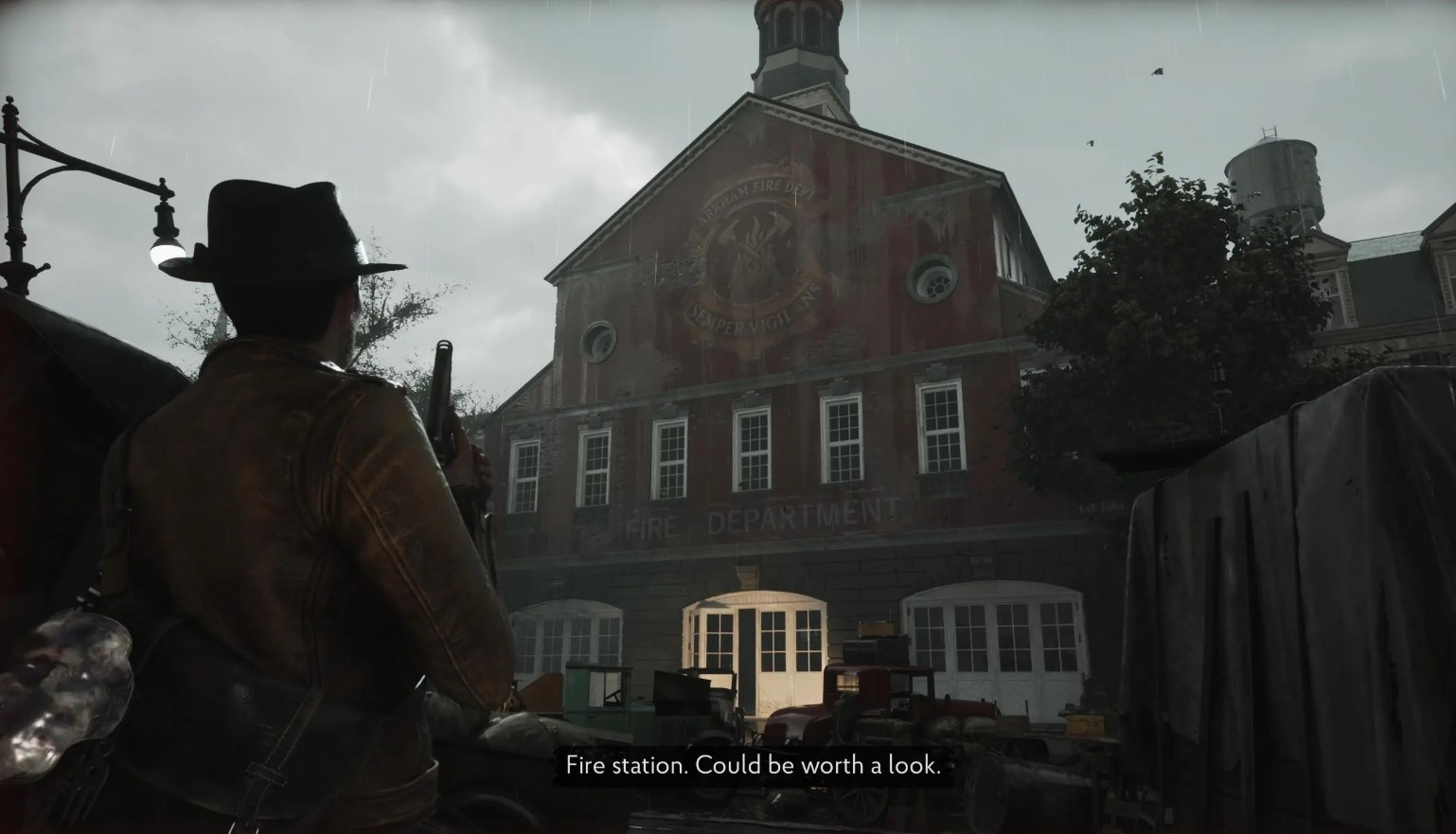
You travel through Arkham both on foot and by skiff (boat), navigating tide-stained avenues, a sinister hospital, a biting fish market, and the eldritch depths below the city. The environments are handcrafted and interconnected, so exploration always leads to something meaningful – unlike the repetitive open world of the original.
Here are the navigation tips worth knowing:
- Unlock and use shortcuts – doubling back through unlocked shortcuts speeds up supply runs and backtracking.
- Explore every building – each structure has a purpose and often hides supplies or upgrades.
- Use your flashlight – press F to light dark areas so you don’t miss loot or threats.
- Adjust difficulty if needed – lowering it eases ammo scarcity and enemy aggression, no shame in it.
- Rest in Safe Rooms – these are your refuge for managing inventory, saving, and equipping Talents.
That difficulty tip deserves emphasis. The game has adjustable difficulty, and if the resource management and tough combat feel overwhelming, there’s no shame in lowering it to ease ammo scarcity and enemy aggression. Higher settings reward careful play, but the game is meant to be enjoyed – tune the survival pressure to your taste. A less stressful playthrough is still a valid playthrough.
And lean into those Safe Rooms. They’re your sanctuary in a hostile city – the place to save, reorganize your inventory, equip new Talents, and catch your breath before pushing deeper. Treat each one as a checkpoint and use it fully. In a game about managing fear, those brief moments of refuge are precious.
FAQ
Is The Sinking City 2 hard?
It’s a deliberately challenging survival horror with scarce resources and tough combat. Lowering the difficulty eases ammo scarcity and enemy aggression if needed.
Do I need to play the first game?
No. The Sinking City 2 has a standalone story with a new protagonist and setting, so you can jump right in without feeling lost.
How do I kill enemies faster?
Aim for their glowing weak points with focused Aim. Body shots waste ammo, but a clean hit on the weak spot ends fights fast. Use melee on smaller enemies.
How do I save ammo?
Use stealth to avoid unnecessary fights, stomp downed enemies with Ctrl, use melee on small critters, and only shoot weak points. Many encounters can be skipped entirely.
How do I get Talent Points?
Find clues across levels and connect them correctly in the Investigation Space. Completing optional investigations also rewards Dream Essence for upgrades.
Should I fight every enemy?
No. Many encounters can be avoided. If low on resources, retreat or run past enemies and return later when better equipped. Conserve resources for mandatory fights.
What should I upgrade first?
Community wisdom suggests XP and reward perks early since they snowball, plus melee upgrades to save ammo. Inventory upgrades ease the resource crunch too.
Wrapping It Up
So there are your essential The Sinking City 2 tips. This tense, resource-lean survival horror rewards a completely different approach from the first game – think caution over aggression, stealth over gunfire, and smart resource management over reckless exploration. Master sound discipline, exploit weak points, conserve your ammo, and build your character wisely, and flooded Arkham becomes survivable rather than punishing.
My honest advice? Embrace the survival horror mindset from the start. You’re not a soldier – you’re a desperate survivor, so creep through water quietly, avoid fights you can’t win, always keep spare medkits, and save after every good scavenge. Do the optional investigations for Talents and safer routes, prioritize XP and melee upgrades early, and don’t be afraid to lower the difficulty if the pressure gets too much. This is a game to be savored, not rushed.
The Sinking City 2 delivers a genuinely gripping Lovecraftian nightmare for players willing to respect its rules. Learn its rhythms, manage your fear, and you’ll uncover one of the most atmospheric horror experiences around. Now light your flashlight, steady your aim, and descend into the drowned streets. Arkham is waiting for you.
Here’s your emergency syringe of gratitude: if these tips helped you survive the flooded streets, wade them out across your social feeds so fellow investigators can stay stocked and stealthy too, and pin this to your bookmarks like a Safe Room you’ll want to retreat to before your next descent into Arkham. Every share is basically a well-placed shot to the weak point that keeps our team’s guides alive and thriving.
And if you’re seeking creative or commercial collaboration, the Lizet Manski team is one message away – reach out directly and let’s brave the depths together.